Featured
Table of Contents
That frees up money in the brief term, and you might have three to 4 years to conserve toward the settlement quantity. Really dangerous to credit report, largely as a result of missed repayments and an adverse "settled" mark that can stay on your credit scores record for as much as seven yearsMay be only alternative if other alternatives (financial obligation consolidation, equilibrium transfer bank card, financial obligation mercy) aren't possibleTypically needs a fee to the 3rd party, which could counter some or all of the cost savings from financial debt settlementMay help you prevent insolvency if you have actually missed several paymentsNot all financial institutions work with financial obligation negotiation firms Financial debt forgiveness may be appropriate for you if you are experiencing a financial hardship that makes it nearly difficult to pay for your debt equilibriums.
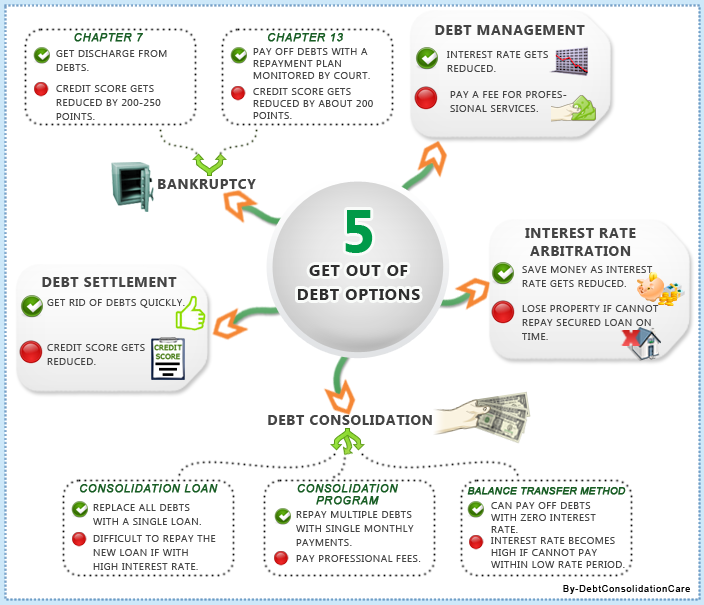
With a DMP, you make one month-to-month repayment to the credit therapy company. Those funds are after that dispersed to financial institutions of your unprotected financial debts, such as credit cards and installment finances. The company deals with your lenders to minimize interest rates or forgo charges, but some creditors may decline such giving ins.
It can assist you pay down financial obligation if you're able to protect a funding rate that's reduced than the ordinary rate of the accounts you're settling. You should abstain from racking up debt on those newly removed accounts or your financial obligation might expand also higher.
That provides you lots of time to get rid of or substantially reduce your balance while making interest-free settlements.
The Facts About Types of Integrating Financial Wellness into Everyday Life: A Path to Peace and Prosperity : APFSC You Need to Know About Revealed
You might require it if your financial institution or a collection firm ever attempts to accumulate on the financial debt in the future. When a lender forgives $600 or even more, they are called for to send you Kind 1099-C.
Debt mercy or negotiation almost constantly hurts your debt. Anytime you settle a financial obligation for much less than you owe, it might look like "worked out" on your credit record and impact your credit report for seven years from the day of negotiation. Your credit history can also drop considerably in the months causing the forgiveness if you fall back on repayments.
Is Bankruptcy Work for Your Case Things To Know Before You Get This
This situation commonly results from underreporting earnings, not filing returns on time, or discrepancies located throughout an Internal revenue service audit. The repercussions of gathering tax obligation financial obligation are severe and can consist of tax liens, which offer the Internal revenue service a lawful insurance claim to your home as safety for the financial debt.
Higher rate of interest on offered credit. Incomes and Bank Accounts internal revenue service can levy (confiscate) incomes and financial institution accounts to satisfy the financial debt. Minimized income and disruption of important economic procedures. Home Seizure In extreme cases, the IRS can confiscate and offer residential property to cover the financial obligation. Loss of beneficial properties and prospective variation.
Clinical depression, anxiousness, and various other mental health concerns. Social Preconception Dealing with lawful activity from the internal revenue service can carry social preconception. Damage to track record and partnerships. Employment Opportunities An inadequate credit history because of tax financial debt can limit work opportunities. Trouble searching for or maintaining a task. Government Advantages Tax financial debt might affect eligibility for federal government benefits, such as Social Safety and Medicaid.
Everything about Ways Integrating Financial Wellness into Everyday Life: A Path to Peace and Prosperity : APFSC Preserves Your Property
The OIC thinks about a number of variables, including the taxpayer's earnings, expenses, asset equity, and capability to pay. Effectively working out an OIC can be complicated, calling for a detailed understanding of the IRS's standards and a strong debate for why your deal straightens with your capability to pay. It's vital to note that not all applications are accepted, and the process requires detailed financial disclosure.
The IRS analyzes your overall financial circumstance, including your income, expenses, possession equity, and ability to pay. You need to additionally be current with all declaring and settlement requirements and not be in an open insolvency proceeding. The IRS additionally considers your conformity background, assessing whether you have a document of prompt filing and paying taxes in previous years.
How Market Developments for Integrating Financial Wellness into Everyday Life: A Path to Peace and Prosperity : APFSC Services can Save You Time, Stress, and Money.
The application procedure for a Deal in Concession entails several comprehensive steps. Initially, you need to complete and send IRS Kind 656, the Deal in Compromise application, and Kind 433-A (OIC), a collection details declaration for individuals. These types call for comprehensive economic info, including details concerning your income, financial obligations, expenses, and properties.
Back taxes, which are unpaid taxes from previous years, can considerably raise your overall IRS debt if not addressed immediately. This debt can accumulate rate of interest and late repayment fines, making the original amount owed much bigger in time. Failure to pay back taxes can cause the IRS taking enforcement activities, such as providing a tax lien or levy versus your residential property.
It is necessary to deal with back tax obligations immediately, either by paying the total owed or by preparing a layaway plan with the IRS. By taking aggressive steps, you can prevent the accumulation of additional rate of interest and penalties, and prevent extra hostile collection activities by the IRS.
One typical factor is the idea that the taxpayer can pay the total either as a round figure or with a layaway plan. The IRS likewise thinks about the taxpayer's revenue, expenses, property equity, and future earning potential. If these elements suggest that the taxpayer can afford to pay even more than the supplied amount, the IRS is most likely to turn down the deal.
Fascination About Is It Worthwhile vs Going It Alone Options
It is crucial to provide accurate and total details in your application and to seek advice from with a tax professional to boost the chances of approval. Managing internal revenue service financial debt can be intricate and challenging. Tax obligation experts, such as Certified public accountants, tax lawyers, or registered representatives, can provide indispensable assistance. They have the competence to browse the complexities of tax legislation and internal revenue service treatments.

Table of Contents
Latest Posts
The Greatest Guide To Is It Worthwhile of Professional Bankruptcy Guidance
The Single Strategy To Use For Pricing Transparency That APFSC Eliminate
Things about Prevalent Misunderstandings Surrounding Bankruptcy
More
Latest Posts
The Greatest Guide To Is It Worthwhile of Professional Bankruptcy Guidance
The Single Strategy To Use For Pricing Transparency That APFSC Eliminate
Things about Prevalent Misunderstandings Surrounding Bankruptcy