Featured
The Greatest Guide To Is It Worthwhile of Professional Ba...
The Single Strategy To Use For Pricing Transparency That ...
Things about Prevalent Misunderstandings Surrounding Bank...


The 6-Second Trick For Recovering Your Financial Standing After The Role of Mental Health in Financial Stress & How to Cope
Table of Contents
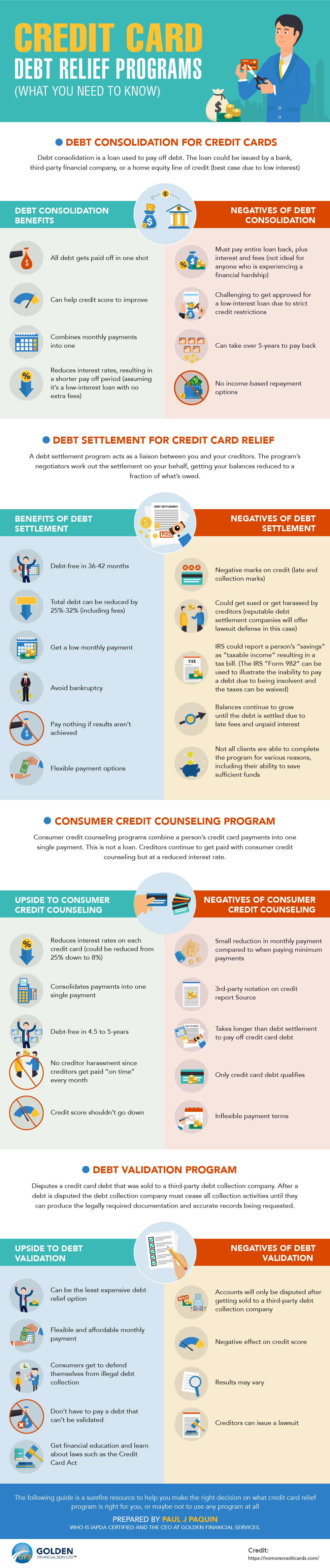
If you stop paying your bills, you will normally incur late costs, charge passion and various other costs, and lenders will likely tip up their collection efforts against you. In several instances, the financial obligation negotiation company will be unable to settle all of your debts.
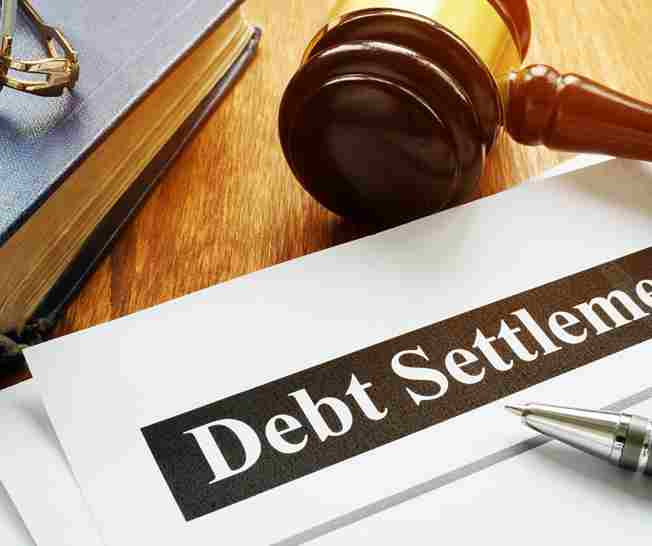
You could be billed costs for utilizing this account. Dealing with a financial obligation negotiation firm might cause a creditor filing a financial obligation collection legal action against you. Unless the financial debt negotiation business resolves all or a lot of your financial obligations, the built-up charges and charges on the unclear financial debts might eliminate any type of financial savings the financial debt settlement firm accomplishes on the financial debts it settles.
Little Known Questions About Documents to Prepare When Pursuing Bankruptcy Counseling.
Caution: Debt negotiation might well leave you deeper in the red than you were when you began. The majority of financial debt negotiation companies will certainly ask you to stop paying your financial debts so as to get lenders to negotiate and in order to accumulate the funds needed for a negotiation. This can have an adverse result on your credit rating and might lead to the creditor or financial obligation collector submitting a legal action while you are gathering funds required for a settlement.

Individuals may represent themselves in bankruptcy court or consult a bankruptcy attorney if they feel they require to pursue this choice. In a Chapter 7 insolvency, the person may need to sell a few of their possessions to pay a section of the arrearage. In a Chapter 13 personal bankruptcy, the court restructures the arrearages so the individual may pay all or some of the agreed-upon balance over three to five years.
Protected financial debt, like a home loan, which includes collateral (normally the financed house), and unsecured financial obligation, like bank card financial obligation, are managed in different ways throughout a bankruptcy. And there are different kinds of insolvencies, so make certain to research study which alternative may be best for your scenario.
What Does Extended Assistance Such as Aftercare Programs Do?
In order for this to work, you require to allot a designated amount of cash every month that will be used to make the negotiation deal to your financial institutions. But just like other forgiven financial obligation, the amount you don't pay might trigger a tax obligation bill. It's most likely you'll have damage to your credit history because few companies will work out with you if you're current on your settlements.
Another option that people can look at is submitting for Phase 7 insolvency. Bankruptcy filings halt collection actions and suits, and a Chapter 7 filing can lawfully get rid of financial debt and end garnishments. To find financial debt alleviation choices, load out our kind or, even better, call us now and we'll match you with the finest solution for your scenario completely free.
The Best Guide To How Modern Tools Is Making The Role of Mental Health in Financial Stress & How to Cope More Accessible
Do not have a hard time any kind of longer. Offer us a call. When life takes place, we're below for When Life Happens 844-402-3574 Table of Component Bank card financial debt mercy is a financial alleviation option that allows people dealing with high equilibriums to have a portionor, in uncommon instances, the entiretyof their financial debt gotten rid of.
Unlike bankruptcy, which is a lawful process, or financial debt negotiation, which includes paying a discussed amount, financial obligation mercy means the lender terminates a portion of what you owe. For customers drowning in bank card financial debt, this can be a lifeline. It's important to recognize exactly how it works, who certifies, and the potential disadvantages prior to pursuing this alternative.
This is generally reserved for severe scenarios where a borrower is monetarily unable of settling the full amount. Some credit report card firms use programs where they reduce or forgive part of the financial obligation for borrowers who are battling due to task loss, medical emergency situations, or various other economic crises. This includes discussing with financial institutions to pay a lowered amount in exchange for shutting the account.
Recession Impacting Growing Demand for Professional Help Fundamentals Explained
: Once a debt is forgiven, debt collector have no case on that particular amount.: For those sinking in financial obligation, mercy provides a chance to reset their finances and start restoring their credit.: In lots of instances, forgiven financial debt is taken into consideration gross income by the internal revenue service, which implies you can finish up with an unexpected tax obligation expense.
It needs negotiation, paperwork, and commonly a long process. And also, if a lender forgives a part of your financial obligation, they might still require partial settlement. Not all debt is forgiven similarly. Whether you certify relies on your financial circumstance, creditor policies, and offered programs. Some lenders provide structured hardship programs, while others may just think about mercy if you pursue settlement or personal bankruptcy.
This is not a typical practice, and it usually takes place under certain circumstances, such as: (task loss, special needs, medical emergency situation). (lenders might create off old financial obligations as uncollectible). where a customer pays a reduced quantity in exchange for the rest being forgiven.: A lender minimizes the overall quantity owed, yet you still need to pay a section.
Lenders prefer negotiation over outright forgiveness due to the fact that it ensures they recuperate some of the cash. Financial obligation mercy is normally a last resort when they think there's no possibility of complete settlement.
Not known Facts About Initial Meeting with APFSC
: Nonprofit debt therapy companies, such as those affiliated with the National Structure for Credit History Therapy (NFCC), help customers comprehend their economic options and overview you to a program that ideal fit your situation.: A DMP is not precisely financial debt mercy, however it enables customers to pay back financial debts on much more beneficial terms, often at reduced rate of interest rates.
Bank card financial obligation mercy programs normally prioritize customers experiencing considerable economic hardship. Eligibility criteria often include work loss, clinical emergency situations, or impairment causing income loss. A high debt-to-income (DTI) proportion, suggesting a large section of earnings devoted to financial obligation settlement, is another typical factor. Programs may likewise consider scenarios where important expenses, such as clinical bills or fundamental living prices, surpass income, producing uncontrollable monetary stress.

Table of Contents
Latest Posts
The Greatest Guide To Is It Worthwhile of Professional Bankruptcy Guidance
The Single Strategy To Use For Pricing Transparency That APFSC Eliminate
Things about Prevalent Misunderstandings Surrounding Bankruptcy
More
Latest Posts
The Greatest Guide To Is It Worthwhile of Professional Bankruptcy Guidance
The Single Strategy To Use For Pricing Transparency That APFSC Eliminate
Things about Prevalent Misunderstandings Surrounding Bankruptcy